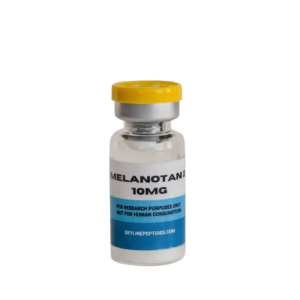
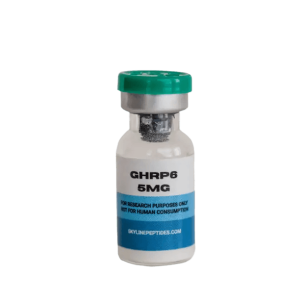
Melanotan 2: Compound Overview
What is Melanotan 2?
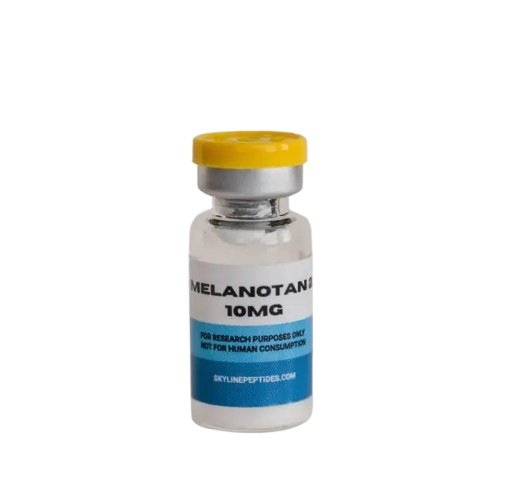
Melanotan 2 (MT2) is a synthetic analog of the naturally occurring peptide hormone α-melanocyte-stimulating hormone (α-MSH). It is primarily studied for its ability to stimulate melanogenesis, the production of melanin in the skin, and has been explored in research contexts related to UV protection, pigmentation disorders, sexual function, and energy balance. MT2 has also gained attention for its unexpected effects on libido and appetite regulation in animal studies.
Mechanism of Action
Melanotan 2 binds to melanocortin receptors, particularly MC1R and MC4R. Activation of MC1R leads to increased melanin production in melanocytes, potentially enhancing skin pigmentation and offering UV protection in research models. Activation of MC4R, found in the hypothalamus, has been associated with increased sexual arousal and appetite modulation. These receptor interactions make MT2 a versatile compound for multi-target research applications.
Safety Profile
Preclinical and some limited human studies suggest MT2 is generally well tolerated, though side effects can include nausea, flushing, fatigue, and changes in appetite. In animal models, darkening of skin and occasional hyperpigmentation of moles have also been observed. Long-term safety data remain limited, and due to its action on multiple melanocortin receptors, off-target effects are possible.
Key Studies
Early studies at the University of Arizona explored MT2 for its sunless tanning effects and potential to reduce skin cancer risk by increasing melanin concentration.
Subsequent research revealed its interaction with MC4R, sparking interest in sexual dysfunction models and appetite regulation.
Studies have also examined its potential use in addressing photosensitivity disorders such as erythropoietic protoporphyria.
Conclusion
Melanotan 2 is a multi-functional peptide with promising applications in pigmentation, neuroendocrinology, and sexual health research. Its ability to modulate melanocortin receptors makes it a valuable compound for exploring diverse physiological pathways. Melanotan 2 is for laboratory research use only and is not intended for human consumption under any circumstances.